

First Floor is in many ways a one-person operation, but on most Wednesdays, the newsletter fully cedes the spotlight to an artist, writer or other figure from the music world, inviting them to recommend a piece of music.
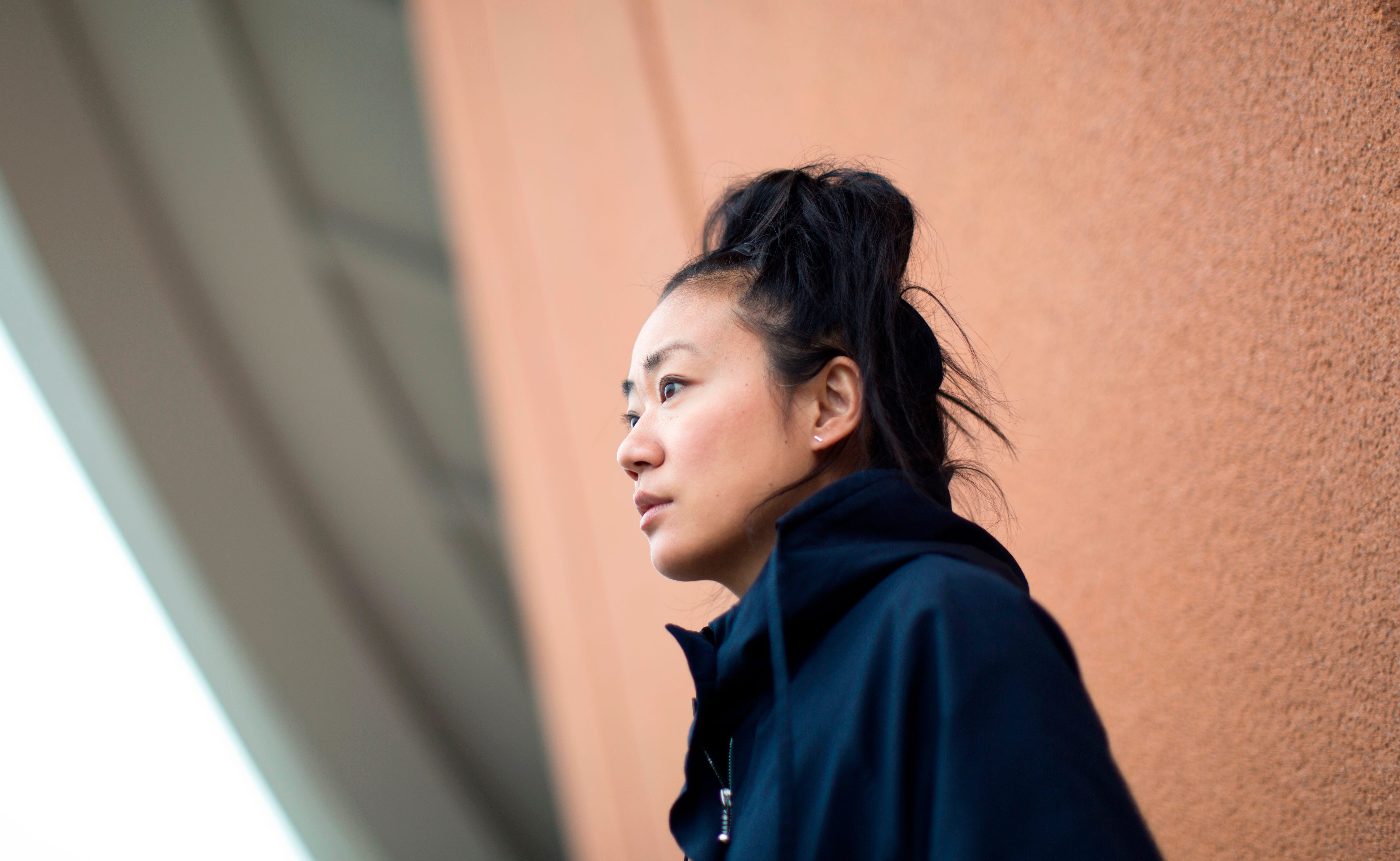
Today’s recommendation comes from Midori Hirano, a Berlin-based musician, composer and sound artist. Born and raised in Kyoto, Japan, she was inducted into the music world via childhood piano lessons, and though her classical training continued through her time at university and beyond, she gradually found herself drifting toward a more electronic and experimental sound palette. With more than two decades of releases under her belt, Hirano’s resume is far too extensive to sum up in the span of a few sentences, and her penchant for blurred genre boundaries doesn’t help matters either. Nevertheless, her discography does include outings on labels like Erased Tapes, Alien Transistor, Dauw and Thrill Jockey. The latter issued Hirano’s most recent solo album, OTONOMA, a record that’s practically bursting with colors and radiant textures—it’s not a coincidence that it snagged an official First Floor recommendation when the LP surfaced earlier this year. Since then, she’s already followed up the album with a newly composed score for the 1990 film The Juniper Tree, which dropped just a few weeks ago as a joint release between Thrill Jockey and the VIERNULVIER imprint.
Having previously music for films like Tokito (2024) and Satisfaction (2025), Hirano does seem to have developed something of a taste for the silver screen, which feels like a particularly appropriate home for forays into both classical and synthetic composition. Yet she’s perhaps even more enthusiastic when it comes to collaborations, as Hirano’s catalog includes team-ups with acts like Brueder Selke, Lali Puna, Atsuko Hatano, CoH and Hprizm (of Anti Pop Consortium). She’s also done an on-stage team up with Ilpo Väisänen of Pan Sonic, and as it happens, that collaboration is tangentially related to the record she’s selected to highlight today.
Ø – Olento (Sahko, 1996)
Before talking about this album, I have to mention Björk’s 1996 remix album, Telegram, which I discovered as a teenager. The final track, “Headphones,” was remixed by Ø, and though I had no idea who Ø was back then, the song made a huge impression on me. I found it darker, weirder, and even more disturbing than anything I’d heard before, and once Björk’s vocals came into its dark sonic textures, it reminded me of watching someone’s breath turn white in the freezing winter air.
Several years later, while exploring music from the clicks & cuts era and other kinds of experimental electronic music, I discovered Pan Sonic and learned that one half of the duo was Mika Vainio, who was also called Ø. Memories of my earlier encounter with his work came back to me all at once, and the connection between his music and Björk’s took on a whole new meaning.
Olento has a strong sense of groove on tracks like “Stratostaatti” and “Tutkamaa,” but it also moves in the opposite direction with beatless, quiet pieces like “Oleva,” “Toisaalla” and “Ilta,” where silence becomes part of the music. The album shows both extremes of human nature—aggression and fragility, intensity and introspection. There is something deeply human about this music, even though it was made with machines.
I chose his record also because when I think back to when I was composing the new score for The Juniper Tree, I remember feeling as though Vainio’s unsettling sounds were somewhere in the back of my mind as I watched Björk on screen, surrounded by Iceland’s landscapes.