

Caterina Barbieri Is Tapping into the Source
An interview with the celebrated Italian composer, who talks about creativity, technology, collaboration, life in Berlin and her experience as the Artistic Director of the Venice Music Biennale.
At some point during the past decade, Caterina Barbieri became something of an omnipresent figure, at least within the more avant-garde corners of electronic music. The success of albums like Patterns of Consciousness (2017), Ecstatic Computation (2019) and Spirit Exit (2022) had a lot to do with that, catapulting the Bologna-raised, Berlin-based composer onto the festival circuit and prompting invites and commissions from some of the most prestigious arts venues and institutions from around the globe. As time went on, she also found time to, among other things, launch her own light-years label, put together and intermittently tour a live collaboration with Space Afrika and engage in a different collaboration with her old friend Kali Malone, with whom she composed a piece for the Italian pavilion at the 2024 edition of the Venice Art Biennale.
Later that same year, Barbieri’s relationship with the Biennale became even more profound, as she was named Artistic Director for the 2025 and 2026 editions of the Venice Music Biennale. (For those unfamiliar with the complexities of the European fine arts world, the annual Music Biennale is affiliated with, but technically separate from, Venice’s more widely known Art and Architecture Biennales, which take place biannually and are scheduled in alternating years.) Considering the event’s historical preference for classical music, the selection of Barbieri was something of a surprise—a point that was often hammered home by journalists during the dozens of interviews she gave during the run-up to the festival’s opening last October. But if she was worried about upsetting Biennale traditionalists, it didn’t seem to affect her curatorial approach, as the line-up included the likes of Sunn O))), William Basinski, Mabe Fratti, FUJI|||||||||||TA, Fennesz, Los Thuthanaka, Mia Koden, DJ Marcelle, Lucy Railton, Rafael Toral and a slew of other adventurous artists.
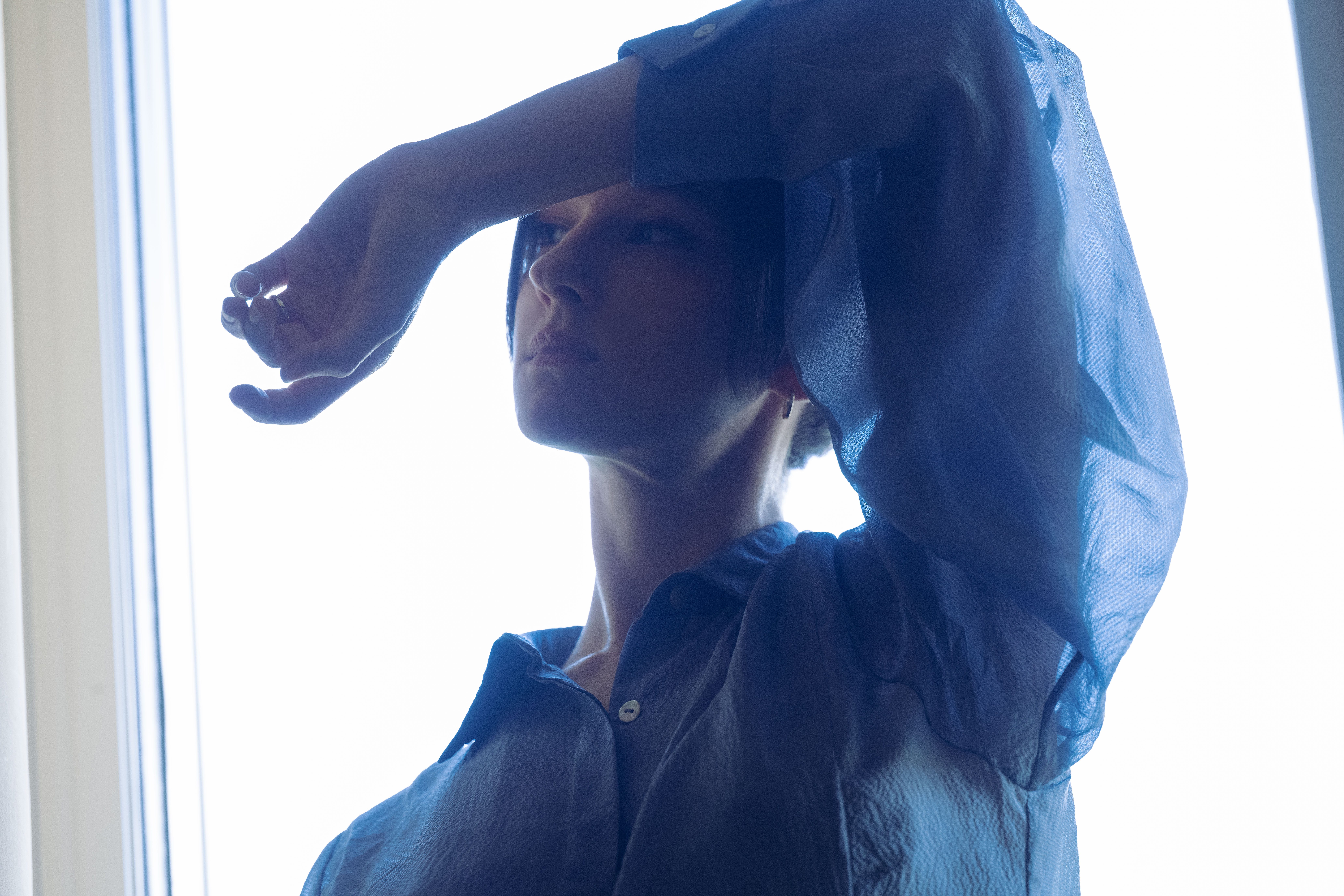
Barbieri has spoken at length about that curation—again, she did a lot of interviews both before and during the Biennale—and she’s never exactly been shy about talking to the press. At the same time, even as her profile has grown, she’s managed to maintain a level of mystique, refusing to be boxed in—she’s particularly averse to being called a “modular artist,” despite the fact that modular synthesis is at the core of her creative process—while actively emphasizing the more poetic and fantastical elements of her craft. In the aftermath of the Biennale, she’s posted a couple of messages expressing her gratitude to everyone involved, but she’s otherwise kept relatively quiet, resurfacing earlier this month only to share the news that she would soon be releasing a new collaborative record with saxophonist and composer Bendik Giske.
Entitled At Source, that record is due to arrive on February 27, but in the meantime, I figured that Barbieri might be willing to have an in-depth conversation with me for First Floor. At Source was obviously part of that conversation, as were the details of her musical relationship with Giske, but during the long call we had last weekend, she was for the first time able to publicly reflect on her Biennale experience, sharing her highlights from last year’s edition, the challenges that come with institutional frameworks and the unexpected doors that have opened as a result. (Not many artists can talk about what it’s like to get a call from the Vatican.) More generally, she talked about Italy’s relationship with electronic music and the changing nature of life in Berlin, and also opened up about the particulars of her creative process—and why she thinks it requires a level of tension and discomfort. And yes, she offered some tidbits about the music she’s been working on, including a new solo album—which is apparently a significant departure from her past releases—and some additional collaborative efforts that she hopes will soon see the light of day.
With all these projects in the pipeline, not to mention the 2026 edition of the Biennale, Barbieri’s cultural footprint isn’t likely to shrink anytime soon. And yet, even as more people know her name and her work, much of what they know about her—and, more specifically, her creative vision—remains shrouded in an enchanting fog that Barbieri herself has conjured up. That fog doesn’t disappear completely in the course of this interview, but it lightens up just enough to reveal some intriguing bits of what makes her tick.